
Too much ground and too few people to keep eyes on it all. We build tech for the land that catches trouble early and takes on the jobs that are hardest to staff - most of it still in trials.
Remote livestock health monitoring
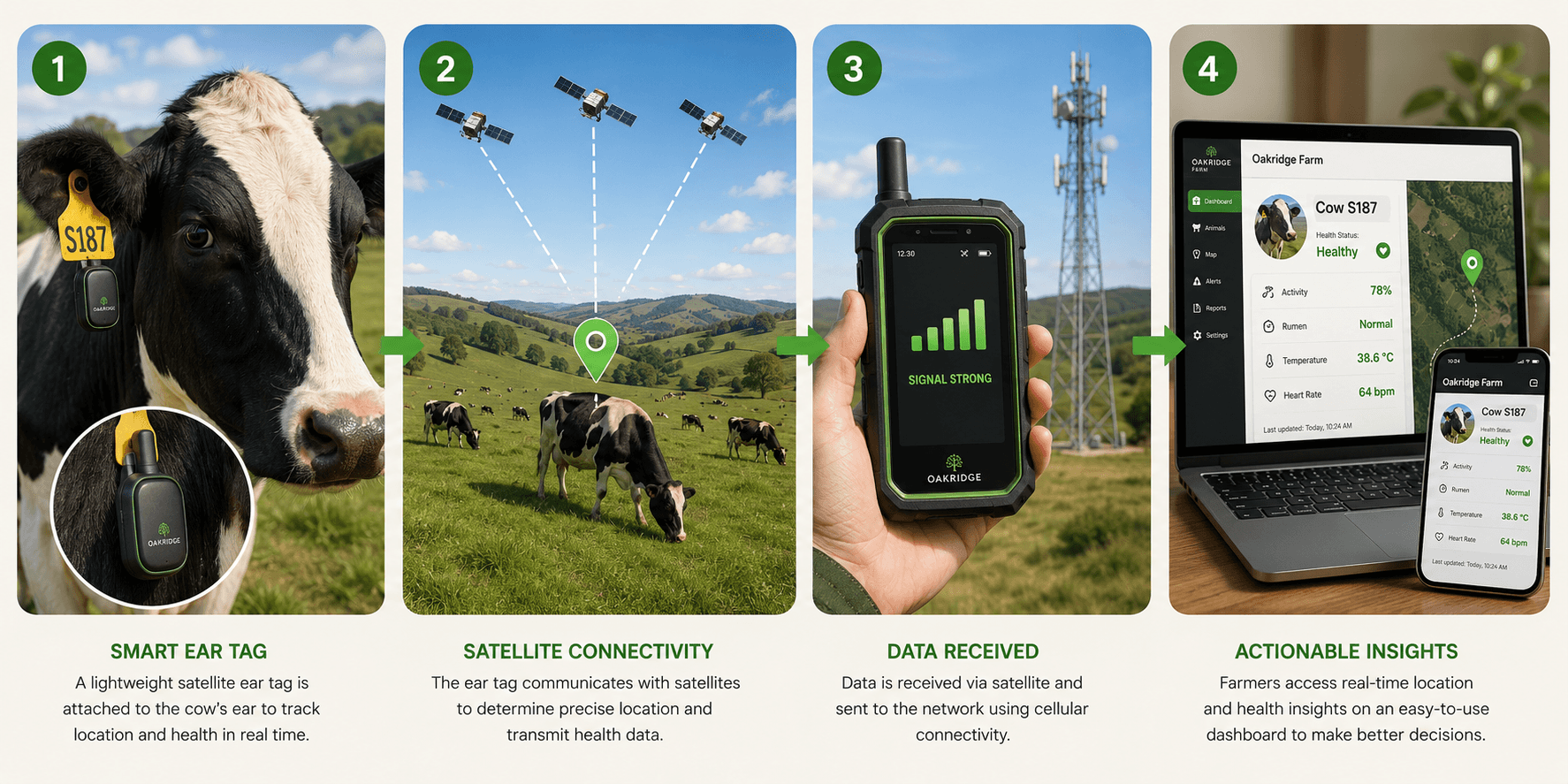
Designed to watch herd health remotely and flag an animal that's off - sending its exact location to the manager's phone before illness spreads.
- Catch illness early. Temperature and behaviour changes would flag a sick animal days before it's visible.
- Go straight to the animal. Every alert would carry the exact GPS location.
- Covers remote country. Data would return over satellite or cell - no-signal country still covered.
A whole station, sensed at once
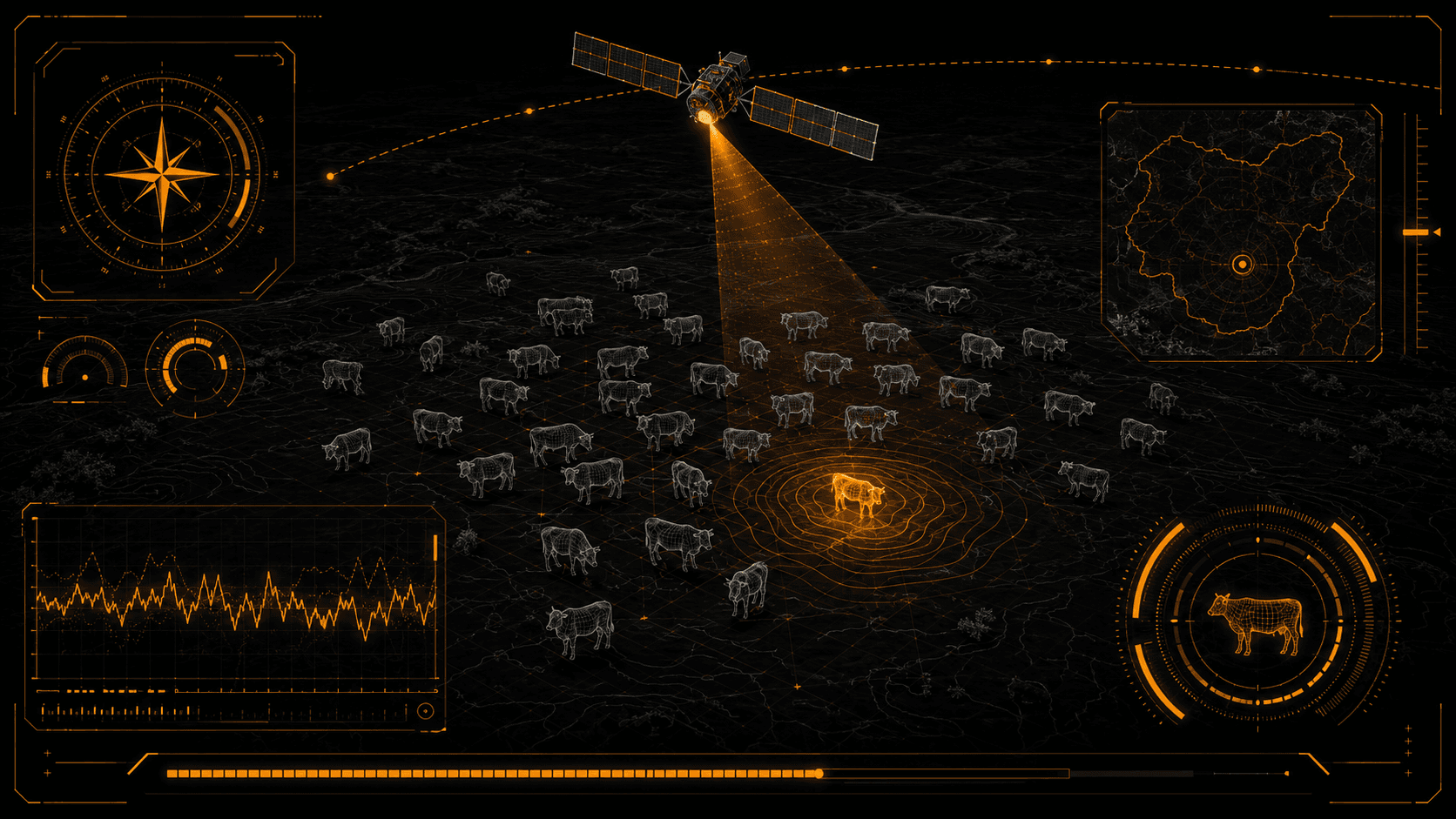
Every tag and tracker is a point reporting back. Sweep across the herd and the system is already watching each one - so the animal that needs you surfaces the moment it does.
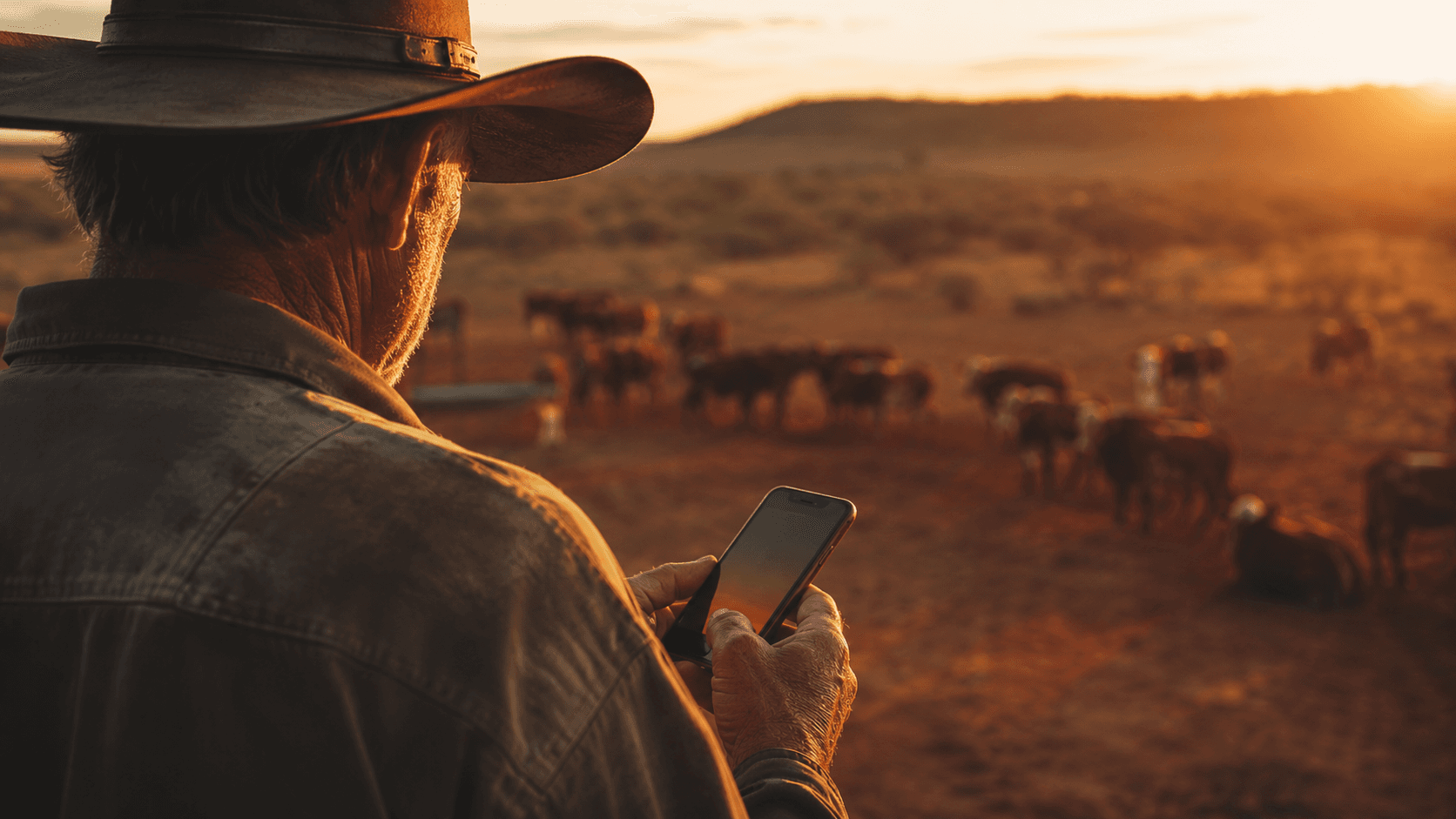
Built for country too big to watch
Catch the animal that's off early - ride straight to it instead of searching.
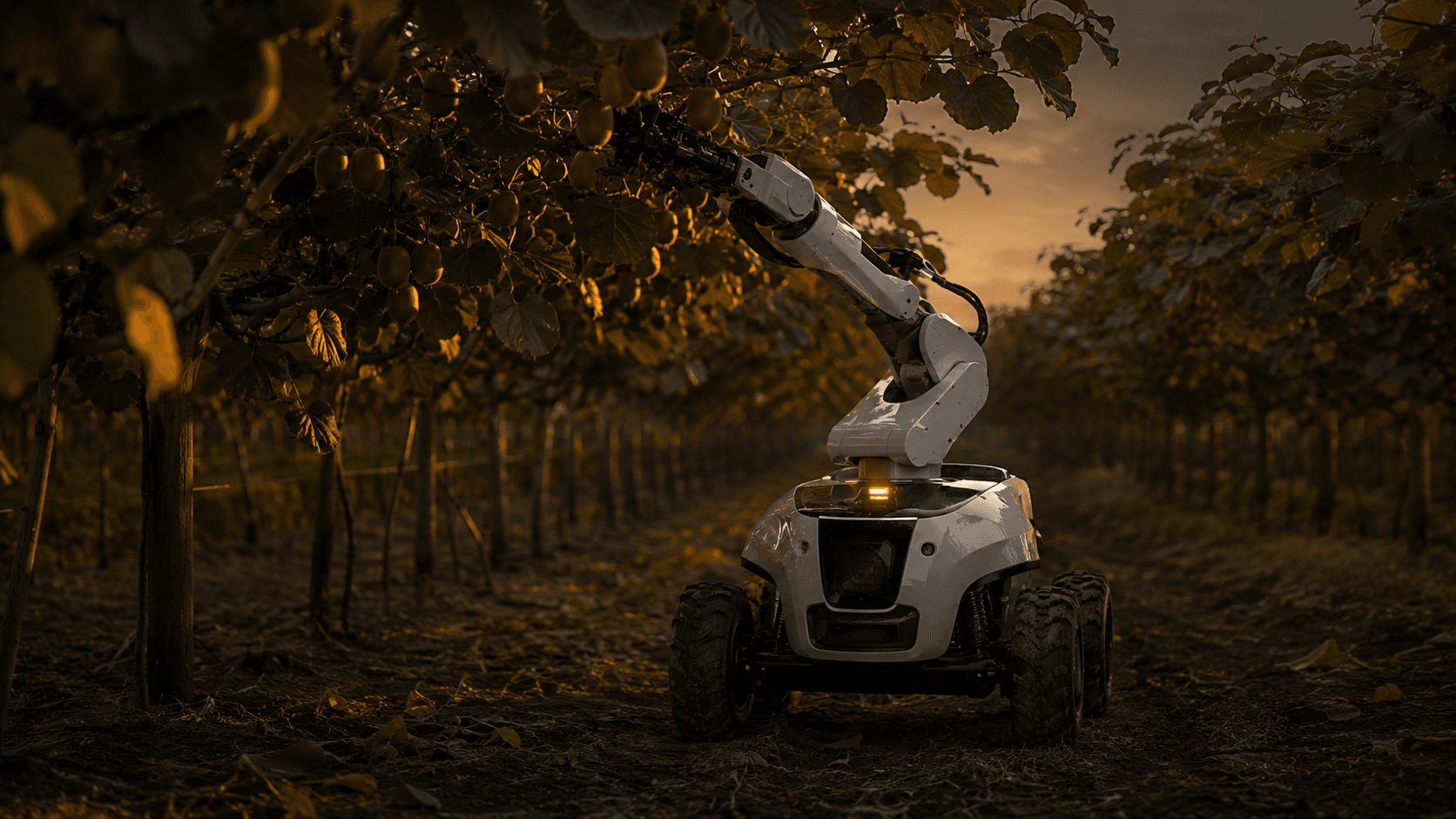
A harvester that picks on its own
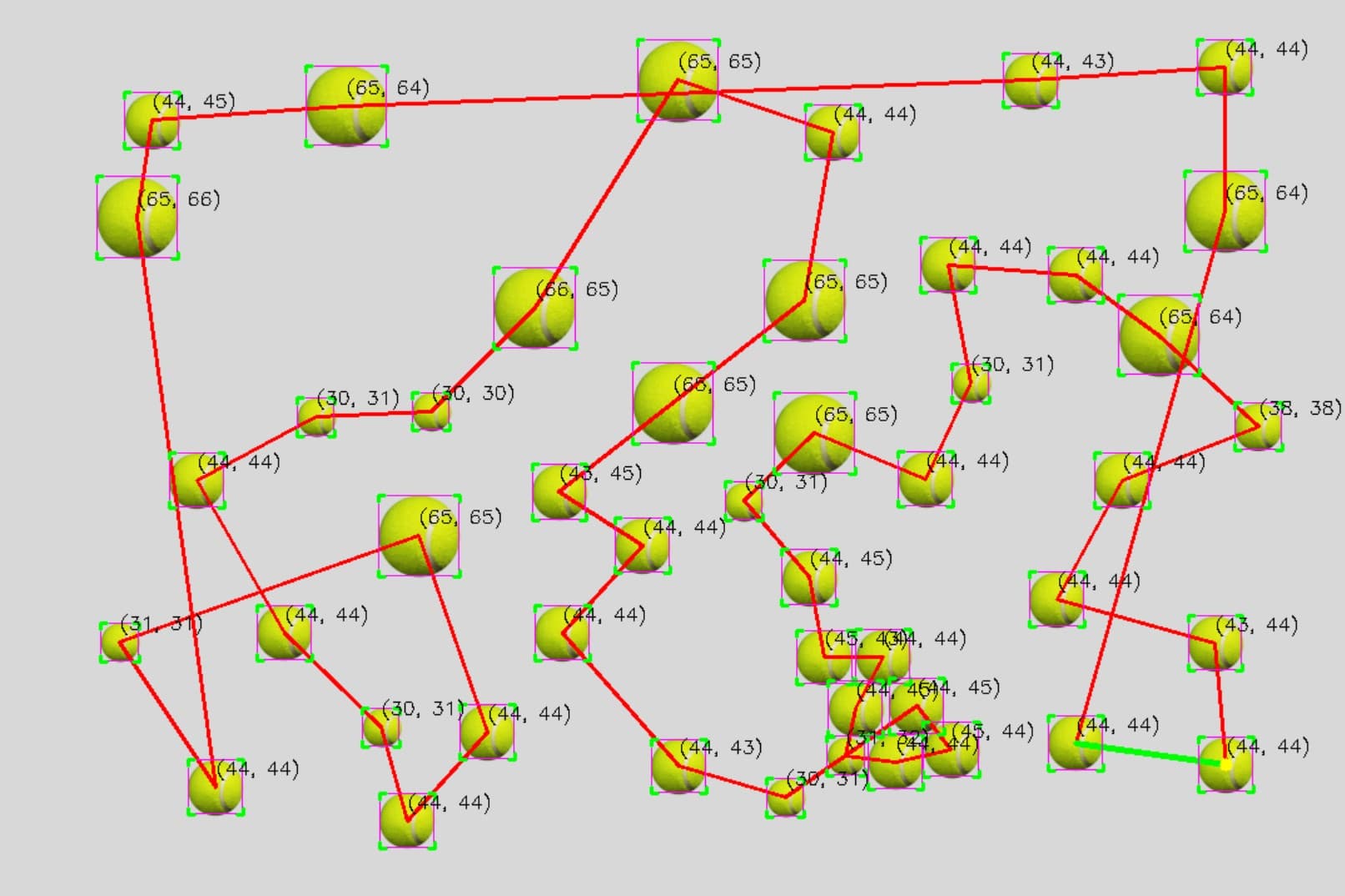
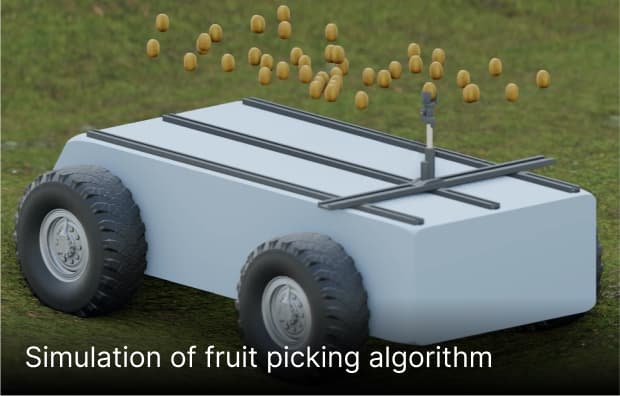
Our showcase build. AI vision picks out the ripe fruit and the arm plans a path to reach it through the branches. It runs in 3D simulation today - that's where we prove the hard parts before any metal gets cut.
- Sees the fruit. AI vision picks out what's ripe in real time.
- Plans the reach. Works out a path to the fruit through the branches.
- Proven on screen first. Built and tested in 3D simulation before any hardware.
Power from the animal's own movement
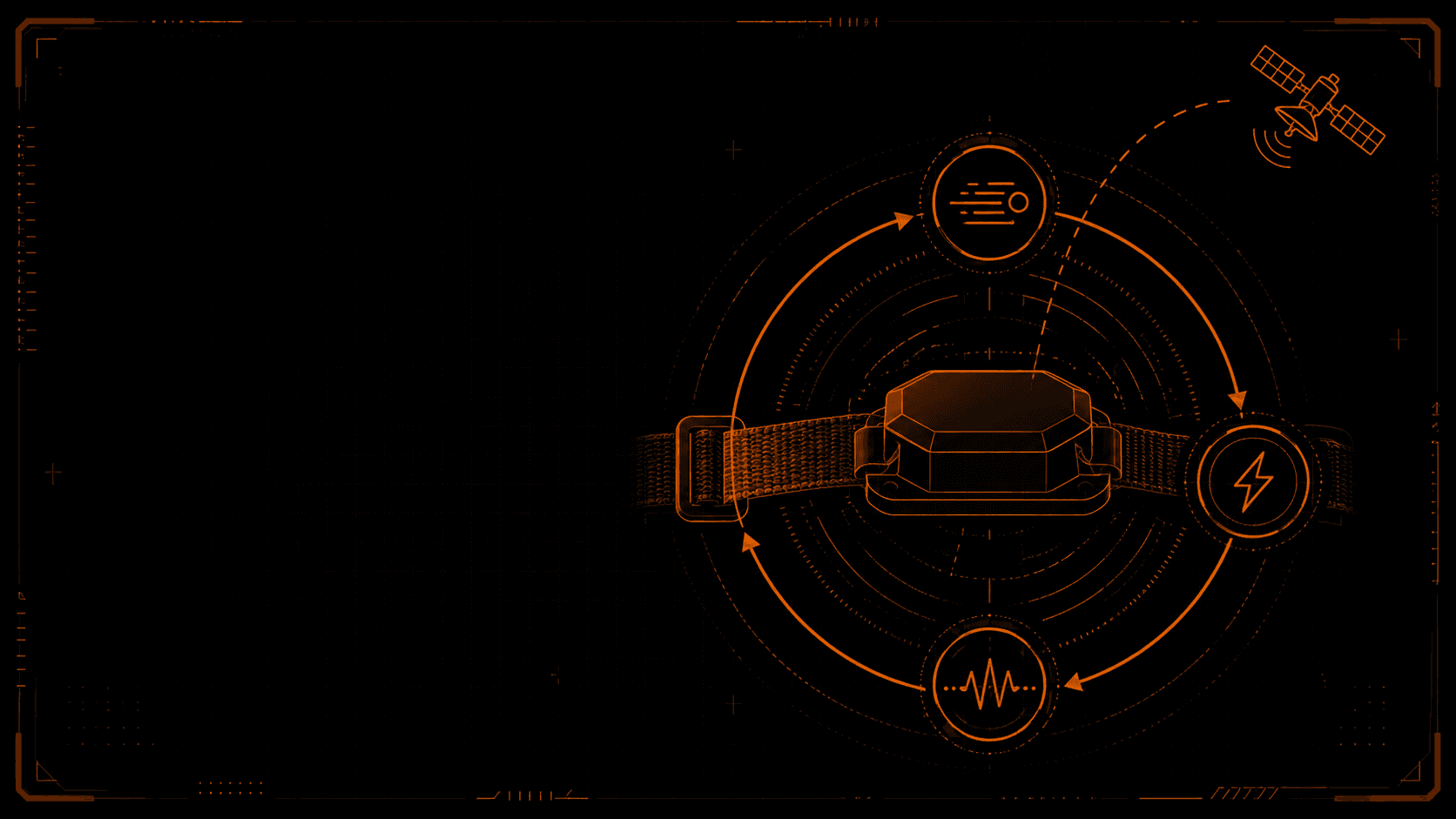
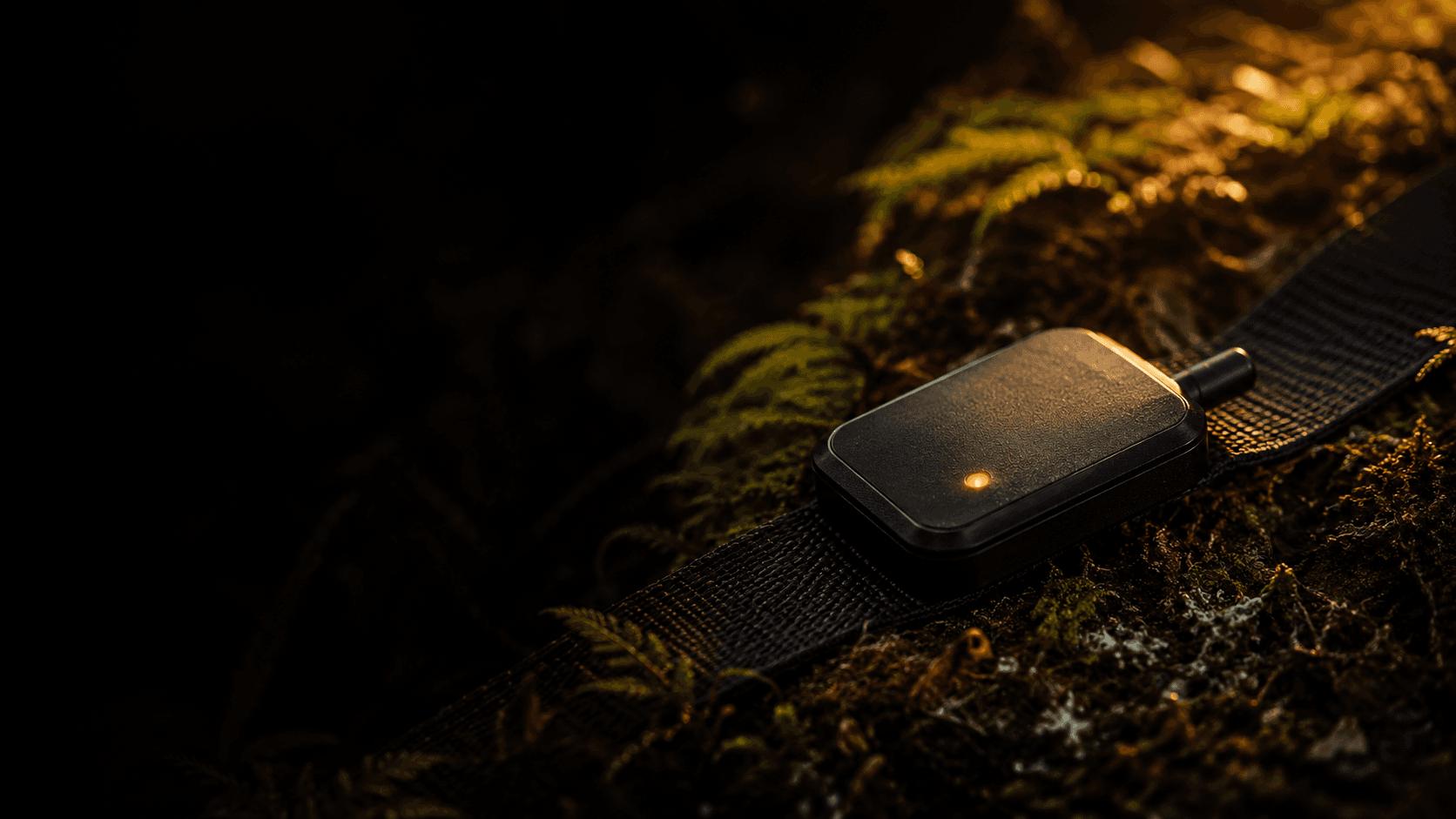
Trackers that never need a battery change
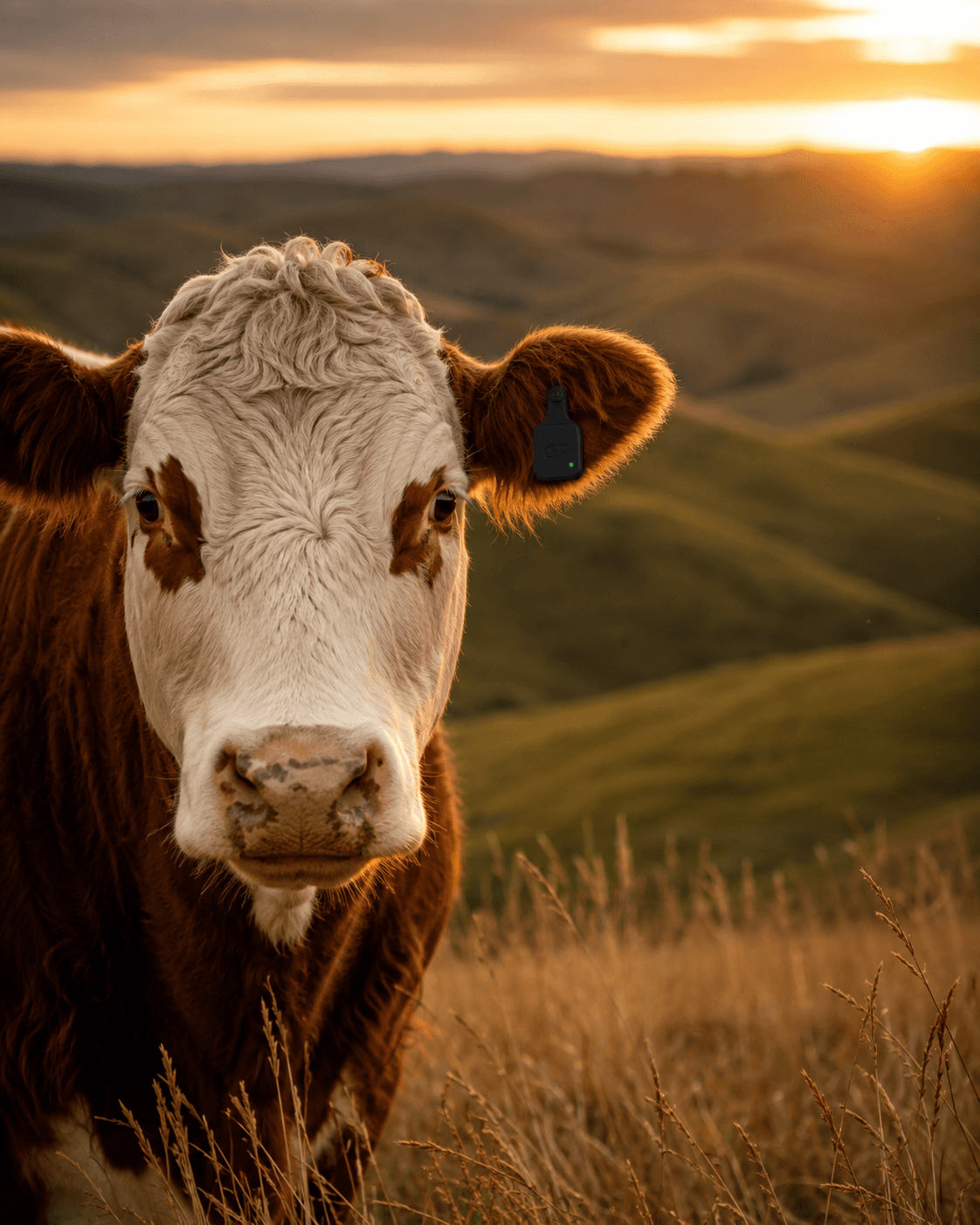
Tags designed to harvest energy from the animal's own movement - no battery swaps, no stressful recapture, streaming over satellite from country with no signal.
Trackers that could help bring a species back
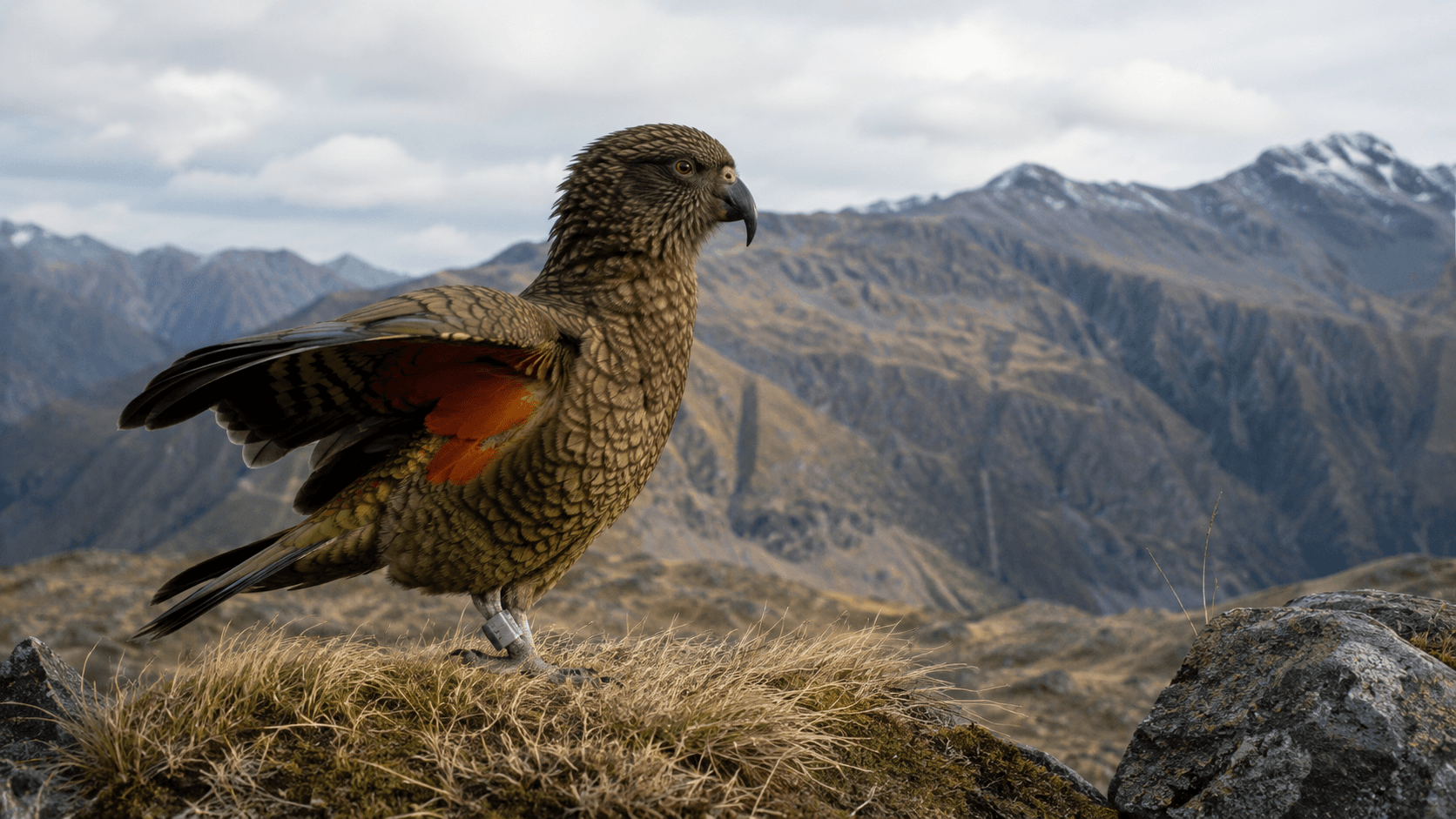
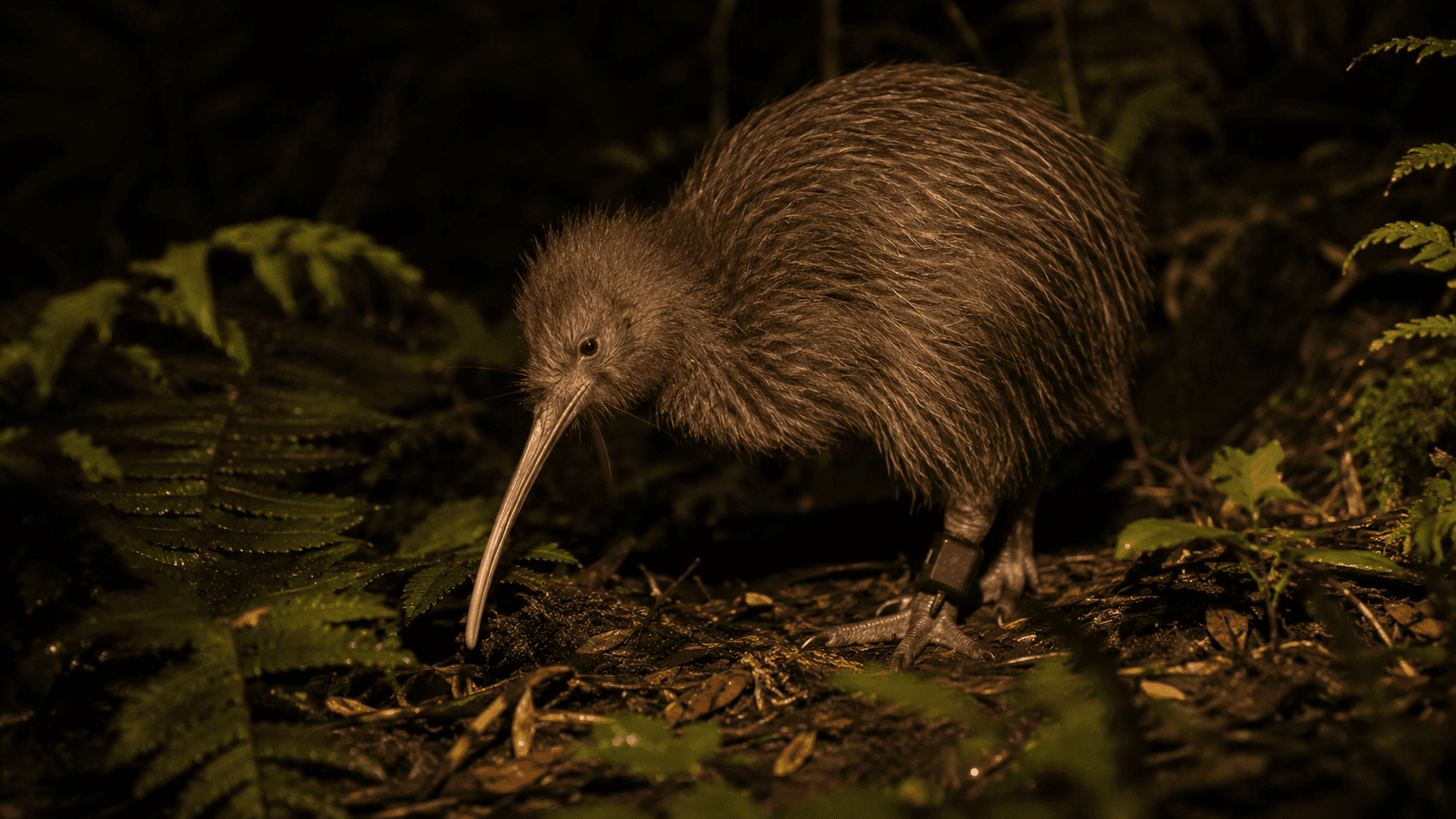
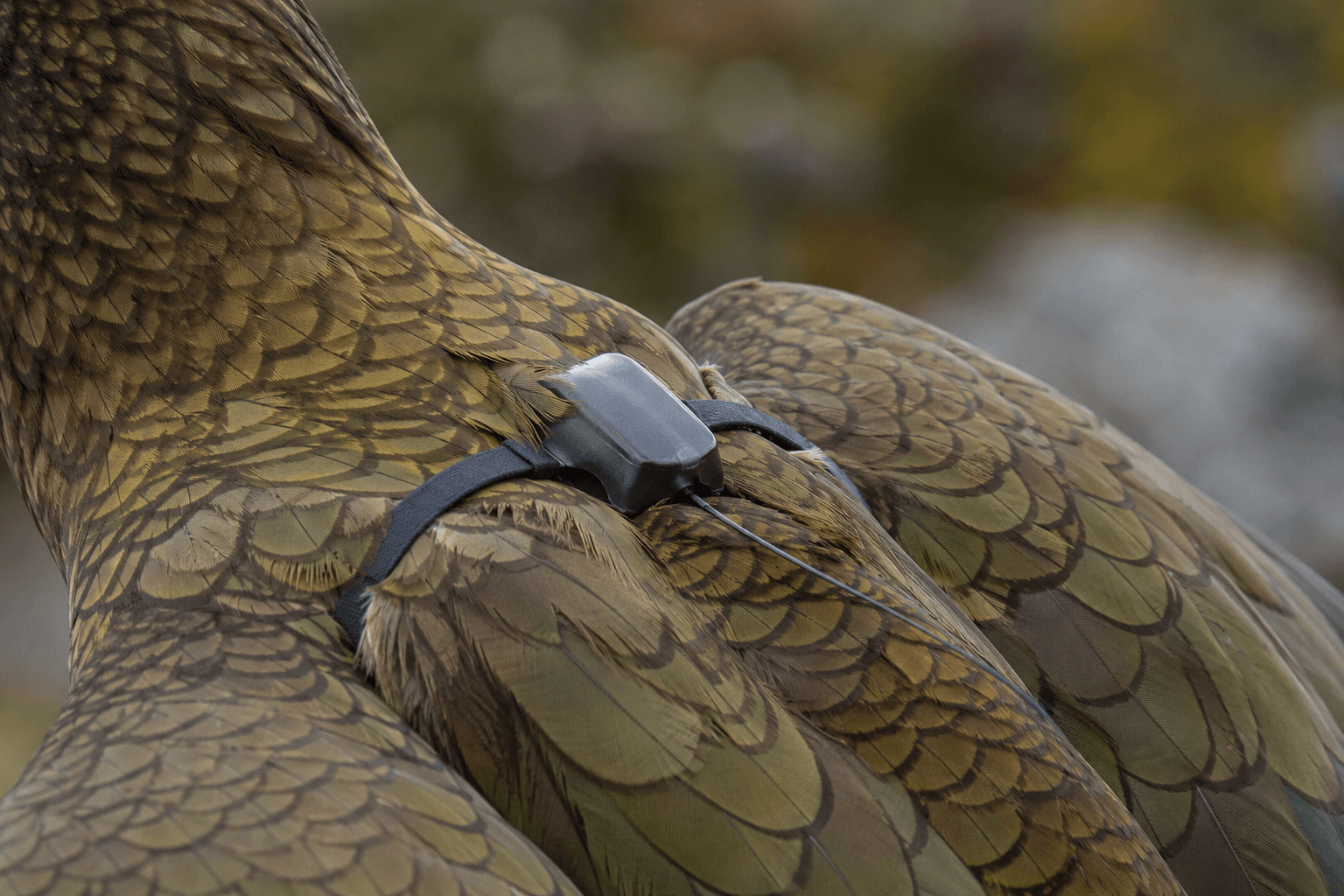
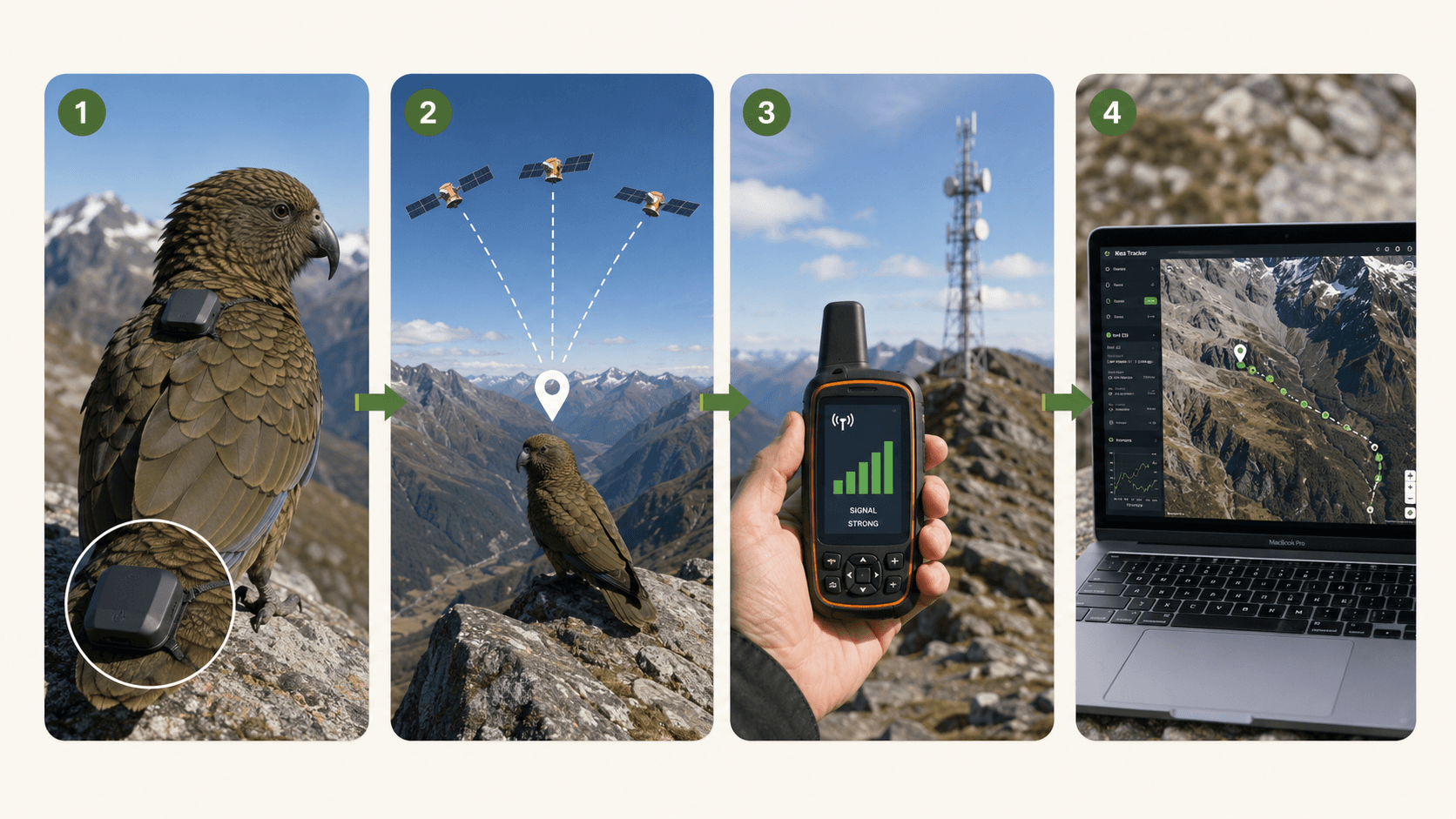
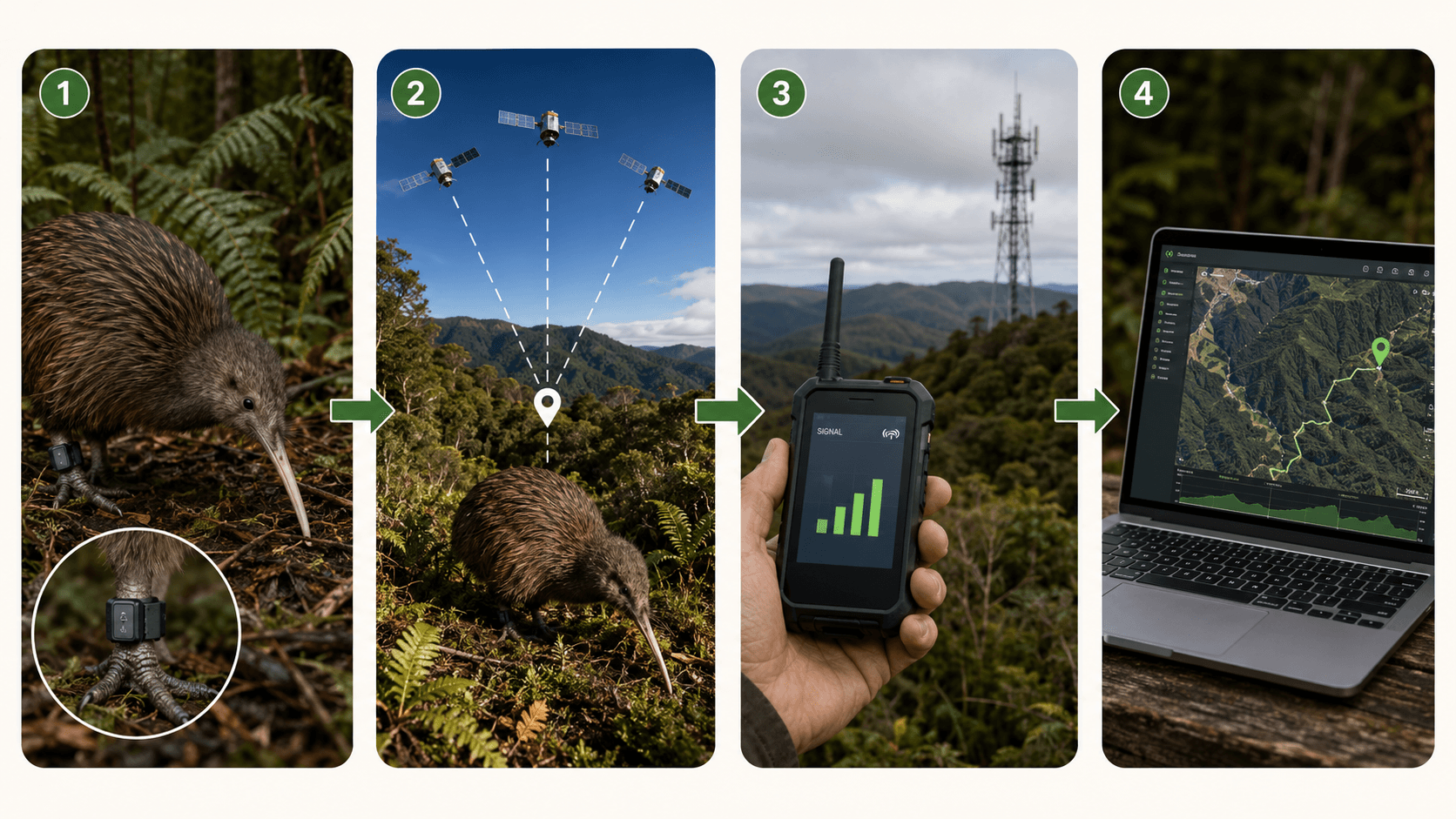
The same tracking we'd build for a herd, aimed at conservation — a harness for a kea, a leg tag for a kiwi, each streaming location so rangers know which bird's gone quiet.
- Matched to the species. Backpack harness, leg band, or leg transmitter - light enough it wouldn't change how a kea flies or a kiwi forages.
- Covers the whole range. GPS telemetry would map birds across entire mountain faces, past where anyone can follow on foot.
- Works through the night. Activity read after dark would surface incubation, a roaming chick, or a bird gone still - no one in the bush at 2am.
Looking after animals or land? Let's build it together.
We're partnering with farmers, agritech teams, and conservation groups to put this technology to work in the field. If you're caring for a herd, a catchment, or a threatened species, we'd love to hear what you're up against.